
YMCA TownLake Redevelopment: What It Could Mean for Downtown Austin
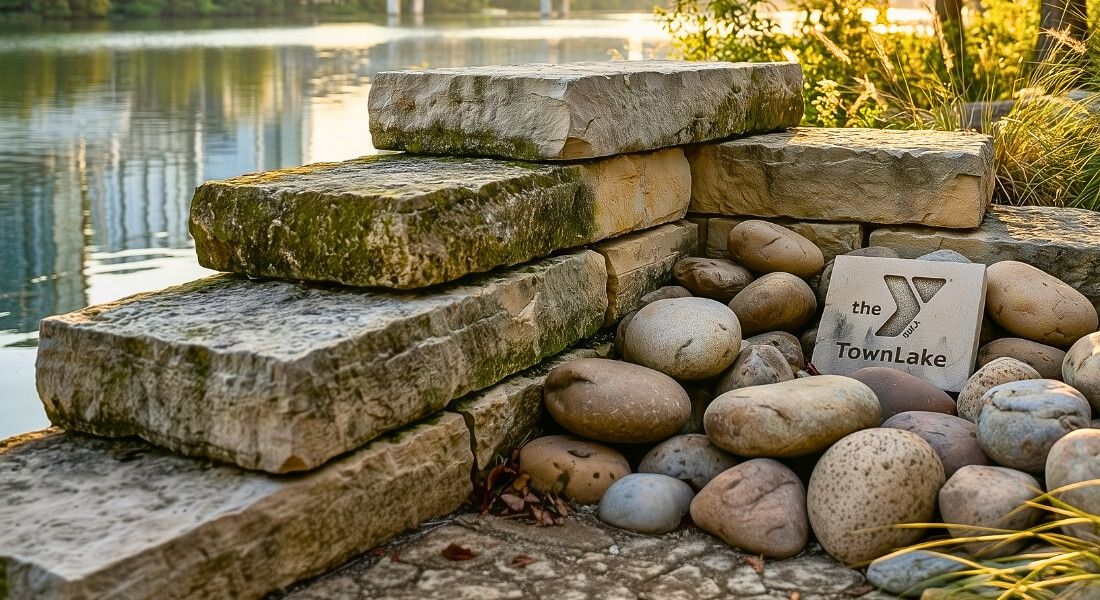
A five-acre site along Lady Bird Lake could add more than 700 homes to Downtown Austin. It would also expand one of the area’s largest community service providers.
We’re talking about the YMCA TownLake redevelopment at West Cesar Chavez Street and Lamar Boulevard. It represents one of the last large-scale lakefront development opportunities in the urban core.
Downtown Austin now houses more than 15,000 residents and over 130,000 workers. That growth creates pressure on housing supply, childcare availability, and community infrastructure.
Large redevelopment sites like this one carry expectations that go beyond adding residential units. The government and local community expect them to address multiple needs at once.
This proposal attempts exactly that. The plan combines a rebuilt YMCA facility with approximately 750 condominium units. The final design will shape how downtown handles density near its most valued public amenity: the lakefront.
Downtown Austin Real Estate Market Watch
In November 2025, homes in Austin, TX, took an average of 70 days to sell. However, Austin real estate trends shift frequently. Reach out to the Capital Downtown Realtors® team for expert help with buying or selling in Austin.
YMCA TownLake Redevelopment and Its Role in Downtown Austin Growth
Why the TownLake YMCA Site Matters
The TownLake YMCA property occupies nearly five acres between downtown’s office core and the Ann and Roy Butler Hike-and-Bike Trail. Properties of this size have become rare as downtown infill continues. Most remaining parcels are either smaller fragments or already built out.
This location amplifies the site’s significance. It sits on Cesar Chavez Street, a primary east-west connector, with direct frontage on one of Austin’s most-used recreational trails. Decisions made here will influence surrounding property values, traffic patterns, and expectations for future lakefront projects.
The existing facility already serves a public function. The current YMCA provides fitness programs, childcare, youth activities, and social services to thousands of members. Any redevelopment must accommodate these services while expanding capacity, a requirement that shapes the entire project structure.
What the Proposal Includes
The redevelopment centers on a new, expanded YMCA campus replacing the current facility. YMCA leadership has committed to maintaining community access throughout the process and expanding services long-term.
Housing dominates the program. Current plans call for 700 to 750 condominium units distributed across several residential towers. At least 90 units would be reserved as income-restricted housing, though specific affordability levels and duration requirements remain under negotiation.
Ground-level spaces are designed to activate the street and trail edges. These typically include community rooms, small retail, building lobbies, and outdoor gathering areas that keep sidewalks active beyond business hours.
The Planned Unit Development Process
The YMCA TownLake redevelopment is moving through Austin’s Planned Unit Development review process. A Planned Unit Development allows custom zoning rules for complex sites. In return, the city negotiates public benefits tied to the project.
These benefits often include affordable housing, infrastructure upgrades, and improvements to public spaces. For this site, key topics include affordability levels, safe pedestrian access, and continued YMCA operations.
The process includes review by the city commissions and the City Council. Public input during this stage can influence final design details and benefit commitments.
Building Scale and Lakefront Context
The proposal includes residential towers much taller than the existing YMCA building. Public materials reference heights approaching 400 feet for the tallest structures. This scale is similar to other recent downtown residential projects.
Height matters more near Lady Bird Lake. Trail users, nearby residents, and city planners review impacts on shadows, views, and the street-level experience. Design elements such as setbacks and building placement often matter as much as height.
These decisions shape how the project feels at ground level, especially along the trail and Cesar Chavez Street.
Housing Supply and Downtown Affordability
Adding 700 to 750 homes at one location would represent a substantial increase in downtown inventory. For context, Downtown Austin typically adds between 500 and 1,000 residential units annually across all projects. This single development could account for up to half of one year’s total supply.
The 90 income-restricted units serve a different market segment. Affordable housing helps retain service workers, educators, and nonprofit employees in an area where prices have risen sharply. Current discussions reference affordability levels of 60% to 80% of the area median income. However, final terms will be negotiated through the PUD process.
Structure matters for long-term impact. Whether units are rentals or condominiums, affordability duration and income verification rules affect who can live there and for how long. Clear, enforceable terms help ensure community benefits last well beyond initial construction.
Mixed-Use Development and Downtown Economics
Austin’s downtown office market has shifted since the pandemic. Vacancy rates remain elevated as companies adopt hybrid work models. This change has accelerated interest in mixed-use projects that don’t rely solely on office tenants for activity.
Developments that combine housing with services and daily-use amenities create steadier foot traffic throughout the day and week. Residential density supports ground-floor retail and community spaces that might struggle in office-only districts. This approach helps downtown function as a neighborhood, not just a business district.
The YMCA TownLake redevelopment follows this emerging pattern. Pairing housing with an expanded community services hub ensures consistent daytime and evening activity.
Transportation and Site Access
Cesar Chavez Street carries significant east-west traffic and serves as a primary trail crossing point. The site sees heavy pedestrian and bicycle use from trail users, as well as vehicle traffic.
Transit access shapes the site’s viability for car-free living. Downtown Austin accounts for millions of annual transit boardings, with multiple bus routes serving the Cesar Chavez corridor. Site design must accommodate drop-off zones, safe crossings, and bicycle parking while managing vehicle access for residents and YMCA users.
Childcare services add complexity. Morning and afternoon drop-off periods create short-duration traffic peaks that differ from commuter patterns. Traffic planning for this site will focus on managing these brief surges rather than adding all-day congestion.
Construction Timeline and Service Continuity
Large downtown projects typically take 3 to 5 years from groundbreaking to completion. Based on current approval timelines, construction could begin in the second half of the decade. However, the start date depends on PUD approval and financing.
Phased construction is common for active sites. The YMCA has indicated that community services will continue during redevelopment. The likely approach will involve temporary facilities or a phased rebuild that keeps portions of the campus operational.
Buyers should understand that units won’t be available for occupancy for several years, even after approvals.
Common Questions About the YMCA TownLake Redevelopment
Is the project approved?
No. The project is currently in the Planned Unit Development review process, which includes city commission evaluations and final City Council approval.
How does this compare to other downtown projects?
At 700 to 750 units, this would be one of the largest single residential developments in Downtown Austin. Most recent projects have delivered 200 to 400 units.
What does “income-restricted” actually mean?
Income-restricted units limit eligibility based on household income relative to the area median income (AMI). A unit restricted to 60% AMI serves lower-income households than one at 80% AMI.
Will the project block lake views?
The site doesn’t sit directly on the water; the trail and a landscaped buffer separate it from Lady Bird Lake. Towers will be visible from the trail, but are set back from the water’s edge.
When could construction start?
Estimates suggest the second half of the decade, depending on when approvals are complete and financing is secured.
Can I reserve a unit now?
No. Pre-sales won’t begin until after project approval and detailed design work is complete.
Plan Your Next Downtown Austin Move
Major redevelopment projects reshape downtown pricing and inventory years before construction begins. Approval announcements, financing news, and pre-sales launches all create market shifts that informed buyers track early.
If you are considering buying, selling, or investing near Lady Bird Lake or the downtown core, now is the time to plan. Contact Capital Downtown Realtors® to discuss how upcoming redevelopment could impact your next move.